 Broderick Adams
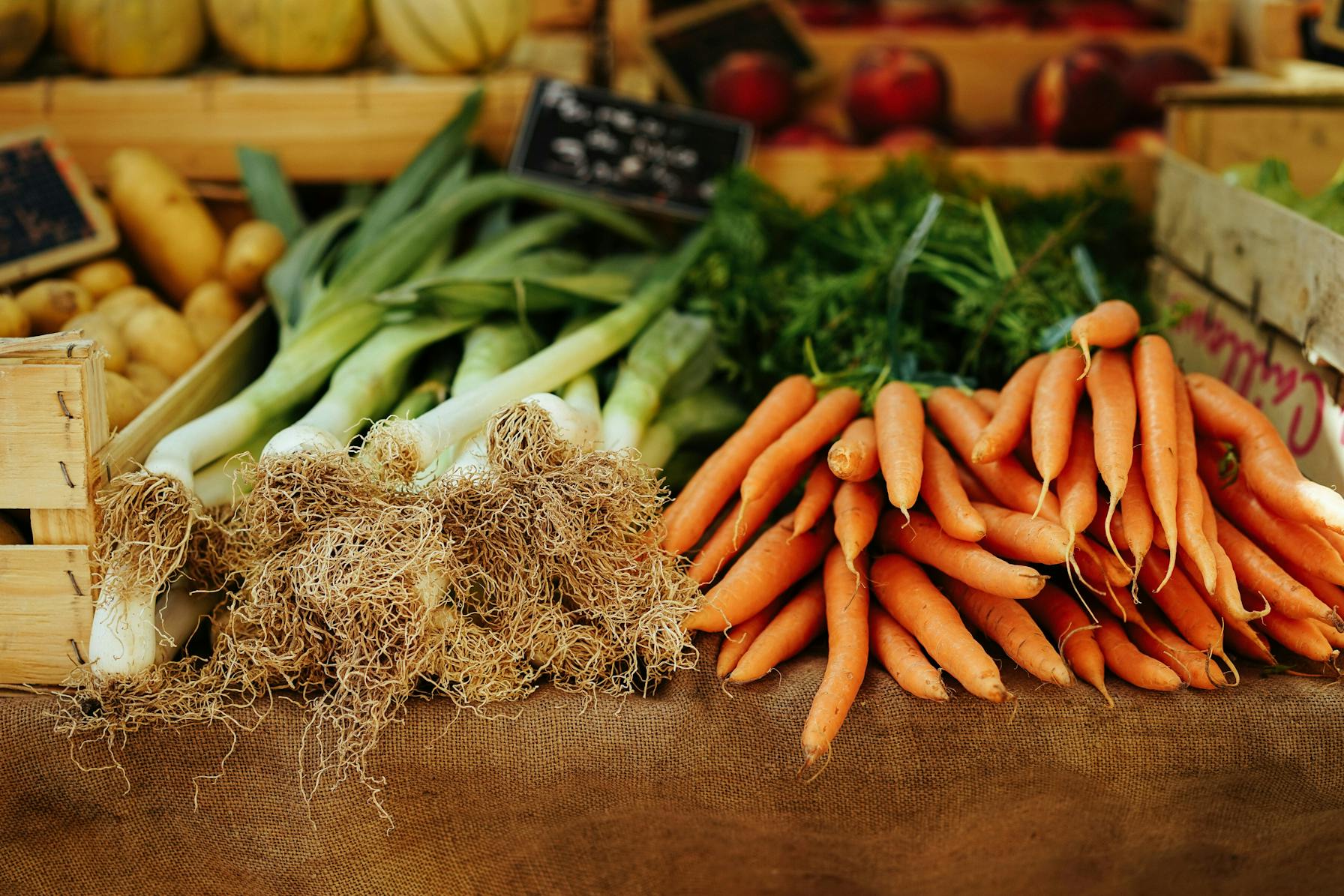
You drove out to the farmers market on a Saturday morning, picked up a gorgeous bundle of carrots with their feathery tops still attached, a head of butter lettuce that practically glowed, a pint of cherry tomatoes, and a bunch of fresh basil. You were proud of yourself. Then Thursday rolled around, and half of it was wilted, mushy, or worse — forgotten at the back of the crisper drawer.
We've all been there. It's not a character flaw. It's a storage problem.
Knowing how to store fresh vegetables properly isn't just about reducing waste — it's about actually getting the full value out of the beautiful, fresh produce you're bringing home. And if you're buying locally grown, farm-fresh vegetables, the storage question matters even more than it does for grocery store produce. Let us explain why.
Why Proper Storage Matters More for Locally Grown Produce
When you buy produce from a grocery store, it's typically been harvested days — sometimes weeks — before it reaches your cart. To survive that journey, it's often picked before peak ripeness and treated with post-harvest preservatives or controlled-atmosphere storage to slow down degradation.
Farm-fresh produce is different. It's picked at peak ripeness, which means it's at its most flavorful and most nutrient-dense — but also at its most time-sensitive. As we explored in our post on Organic vs. Conventional Produce, freshness is actually one of the most significant nutritional variables in produce, often more impactful than whether something is certified organic or conventionally grown.
In other words: that beautiful bunch of kale you picked up at the market is more nutrient-rich than the organic kale that traveled 1,500 miles in a refrigerated truck — but only if you store it correctly. The goal isn't just keeping things looking pretty. It's preserving the flavor and nutrition you paid for.
The Golden Rules of Vegetable Storage
Before we get into specifics by vegetable type, a few universal principles will take you a long way.
Understand Ethylene Gas
Some vegetables and fruits produce ethylene gas as they ripen — tomatoes, apples, and avocados are classic examples. Others are highly sensitive to ethylene and will deteriorate quickly when stored nearby — leafy greens, herbs, and cucumbers top that list. The practical takeaway: keep your ethylene producers separated from your ethylene-sensitive produce. Don't toss a tomato in the crisper drawer next to your lettuce.
Moisture
This one trips people up because the answer depends entirely on what you're storing. Leafy greens need a little moisture to stay crisp. Root vegetables need to be dry or they'll rot. Herbs are practically flowers — they want to stand in water. Knowing which camp each vegetable belongs to is the foundation of good fresh vegetable storage.
Don't Wash Until You're Ready to Use
This is one of the most common mistakes home cooks make. Washing produce as soon as you get home feels efficient — but moisture accelerates spoilage significantly. Rinse vegetables right before you use them, not when you put them away. The exception: leafy greens sometimes benefit from a quick rinse and spin if they feel particularly sandy or gritty, as long as you dry them very thoroughly but not to the point of wilting before storing.
Not Everything Belongs in the Refrigerator
The refrigerator isn't a universal produce sanctuary. Cold temperatures actually damage several vegetables, destroying texture and concentrating off-flavors. We'll call these out specifically below — but the short version is: tomatoes, garlic, onions, potatoes, winter squash, and basil all prefer room temperature.
Storage Guide by Vegetable Category
Here's your practical, vegetable-by-vegetable breakdown — the heart of how to store fresh vegetables the right way.
Leafy Greens (Lettuce, Spinach, Kale, Arugula, Chard)
Leafy greens are delicate and need just the right amount of moisture to stay crisp without turning slimy. The best method: wrap loosely in a damp paper towel, place inside a zip-top bag or reusable container, and leave a little air inside. Store in the coldest part of your refrigerator — typically the back of the main compartment or a crisper drawer set to high humidity.
Use within 3–5 days for the best quality. If your greens start to wilt before you get to them, revive them with a 15-minute soak in a bowl of ice water. It works remarkably well.
Root Vegetables (Carrots, Beets, Radishes, Turnips, Parsnips)
The most important thing you can do with root vegetables: remove the tops immediately. The leafy greens on carrots, beets, and radishes are beautiful — and they're delicious, too (don't throw them away — see our post on no-waste cooking for inspiration). But those tops are actively pulling moisture out of the root below. Detached tops, roots stored separately in a sealed bag or container in the fridge, and you'll get 1–2 weeks of freshness easily.
Beet greens and carrot tops? Store them separately, treat them like leafy greens (damp paper towel method), and use them within 2–3 days.
Fresh Herbs
Treat your herbs like fresh-cut flowers — because that's essentially what they are. Trim the stems at an angle, place them in a glass or jar with an inch of water, and cover loosely with a plastic bag or reusable wrap. Soft herbs like cilantro, parsley, and mint can be stored this way in the refrigerator and will last up to two weeks.
Basil is the exception. It's cold-sensitive and will turn black in the refrigerator within a day or two. Keep basil at room temperature on the counter, in its water glass, away from direct sunlight. It'll stay happy for a week.
Tomatoes
Say it with us: never refrigerate a ripe tomato. Cold temperatures break down the cell walls that give tomatoes their texture and mute the enzymes responsible for their flavor. A refrigerated tomato loses what makes it worth eating. Store tomatoes at room temperature on the counter, stem side down, and let them ripen fully before eating. Only consider refrigerating a tomato if it's so ripe it's about to turn, and you need a day or two more — and accept that the texture will suffer.
Cucumbers and Summer Squash
These are cold-sensitive too — though not as dramatically as tomatoes. Cucumbers and summer squash do best at room temperature for up to two days, then can move to the refrigerator. When you refrigerate them, wrap loosely in a kitchen towel to buffer against the cold and absorb condensation. Use within a week.
Onions and Garlic
Cool, dark, dry, and well-ventilated — that's all onions and garlic need. A mesh bag, a basket, or a loosely covered bowl in a pantry or cabinet works perfectly. Do not refrigerate them; the humidity turns them soft and mushy. And do not store onions next to potatoes — they release moisture and ethylene that cause each other to spoil faster. Keep them on opposite sides of the pantry.
Peppers
Bell peppers and other fresh peppers store well in the refrigerator, whole and unwashed, in the crisper drawer. They'll keep for 1–2 weeks without issue. Once you cut a pepper, wrap the remainder tightly and use within 2–3 days.
Broccoli, Cauliflower, and Other Brassicas
These vegetables do fine in the refrigerator, loosely wrapped or stored in an open bag — they actually need a little airflow. Plan to use them within 3–5 days for the best flavor. One thing to know: brassicas off-gas as they age and can make the refrigerator smell if stored too long. If you can't get to them in time, blanch and freeze them — they hold up beautifully.
Quick Reference: What Goes Where
Counter / Room Temperature:
- Tomatoes
- Garlic
- Onions
- Potatoes and sweet potatoes
- Winter squash
- Basil
- Cucumbers and summer squash (first 1–2 days)
Refrigerator:
- Leafy greens (damp paper towel method)
- Root vegetables (tops removed, dry storage)
- Soft herbs (water glass method, except basil)
- Peppers (whole, unwashed)
- Broccoli and cauliflower (loosely wrapped)
- Cucumbers (after 1–2 days at room temp)
A Note on Using What You Have
The best storage method in the world still can't compete with simply using your produce while it's at its peak. If you're noticing vegetables starting to fade, shift your cooking plans to use them first. Wilting greens become a sautéed side dish. Slightly soft peppers are perfect roasted. Overripe tomatoes make extraordinary sauce.
This is really the spirit of no-waste cooking — and it's something our farming community has practiced for generations. When you know how to store fresh vegetables properly and how to use every part of what you buy, food waste drops dramatically and your meals get more interesting in the process.
And if you end up with a true surplus — more cucumbers than you can eat in two weeks, or a bumper crop of radishes — pickling is one of the oldest and most satisfying answers humanity has ever found to that problem.
The Bottom Line
Knowing how to store fresh vegetables properly is one of the highest-return kitchen skills you can develop. It means more flavor, more nutrition, less waste, and more value from every trip to the market. And when you're buying directly from a local farm — produce that was harvested at peak ripeness and delivered quickly — proper storage is what lets you fully honor that effort.
At Emory Market Gardens, we grow our vegetables with care and get them to our community as quickly as possible. We hope these pointers help you store your vegetables with more intention and prolong the freshness of the harvest.
Have questions about storing a specific vegetable you picked up at the market or have any tips you'd like to share? Drop a comment or reach out to us on social — we love talking food and farm life with our community.