 Broderick Adams
This week, we’re taking a step beyond mushrooms and brassicas to explore a practice that has fed households for generations: no-waste cooking. Long before compost bins and sustainability campaigns, cooks learned to make the most of every peel, stem, and leaf — stretching budgets, fully utilizing the harvest, and unlocking flavors that often get tossed aside.
A Brief History of No-Waste Cooking
Using the whole vegetable isn’t new — it’s a tradition rooted in necessity and creativity across cultures.
- Europe: Peasant cuisines relied on whole-plant cooking. Potato peels became crisps, carrot tops flavored soups, and cabbage cores were fermented or stewed. In many regions, broth made from scraps formed the base of daily meals.
- Asia: From pickled radish greens in Korea to stir-fried pumpkin leaves in China, using stems and leaves was both practical and delicious. Vegetable scraps were often preserved to stretch food through lean seasons.
- Latin America: Squash blossoms, corn husks, and beet greens found their way into tamales, soups, and sautés — showcasing how “extra” parts became culinary staples.
- North America: Early settlers and Indigenous communities used corn cobs for broths, dried herbs and stems for teas, and root tops in stews. Nothing went to waste when the harvest had to last.
No-waste cooking was never a trend — it was a way of life built on maximizing yield from the harvest.
Why Cook No-Waste Today?
- Reduce food waste: Nearly half of produce waste comes from parts we could eat or use.
- Save money: Stretch ingredients further without buying more.
- Add nutrients: Many “scraps” are nutrient-dense — like broccoli stems, beet greens, and carrot tops.
- Unlock flavor: Stems, peels, and tops often bring deeper flavor to stocks, sauces, and sautés.
Common Vegetable “Scraps” and How to Use Them
1. Carrot Tops
- Blend into pesto with garlic, lemon, and nuts.
- Chop into soups, stews, or chimichurri.
- Use as a garnish for roasted carrots or grains.
2. Broccoli Stems
- Peel and slice for stir-fries or slaws.
- Roast alongside florets for added texture.
- Grate into fritters or veggie pancakes.
3. Beet Greens and Stems
- Sauté with garlic and olive oil like spinach.
- Add to soups or smoothies for a mineral-rich boost.
- Use the stems as a crunchy pickle.
4. Cauliflower Leaves and Core
- Roast leaves until crispy and use as a side.
- Slice the core thin and sauté or add to stir-fries.
- Chop into cauliflower rice blends.
5. Potato Peels
- Toss with oil and bake into crispy chips.
- Add to vegetable stock for earthy depth.
6. Onion Skins and Ends
- Save for vegetable stock — they add color and flavor.
- Dry the skins for a natural broth booster.
7. Celery Leaves
- Chop into salads or egg dishes.
- Blend into pesto or herb sauces.
- Use in soups as a flavor enhancer.
8. Squash Seeds
- Rinse, roast, and season for a crunchy snack.
- Sprinkle over salads or grain bowls.
9. Herb Stems
- Use in stocks or simmered sauces.
- Blend with leaves for pesto or green sauce.
- Tie into a bouquet garni for soups.
Easy No-Waste Habits to Start Today
- Keep a freezer bag for scraps: Store peels, stems, and ends for future stock.
- Cook “stem-to-leaf” once a week: Choose a vegetable and use every part.
- Try one new scrap recipe: Roast peels, sauté greens, or blend a pesto.
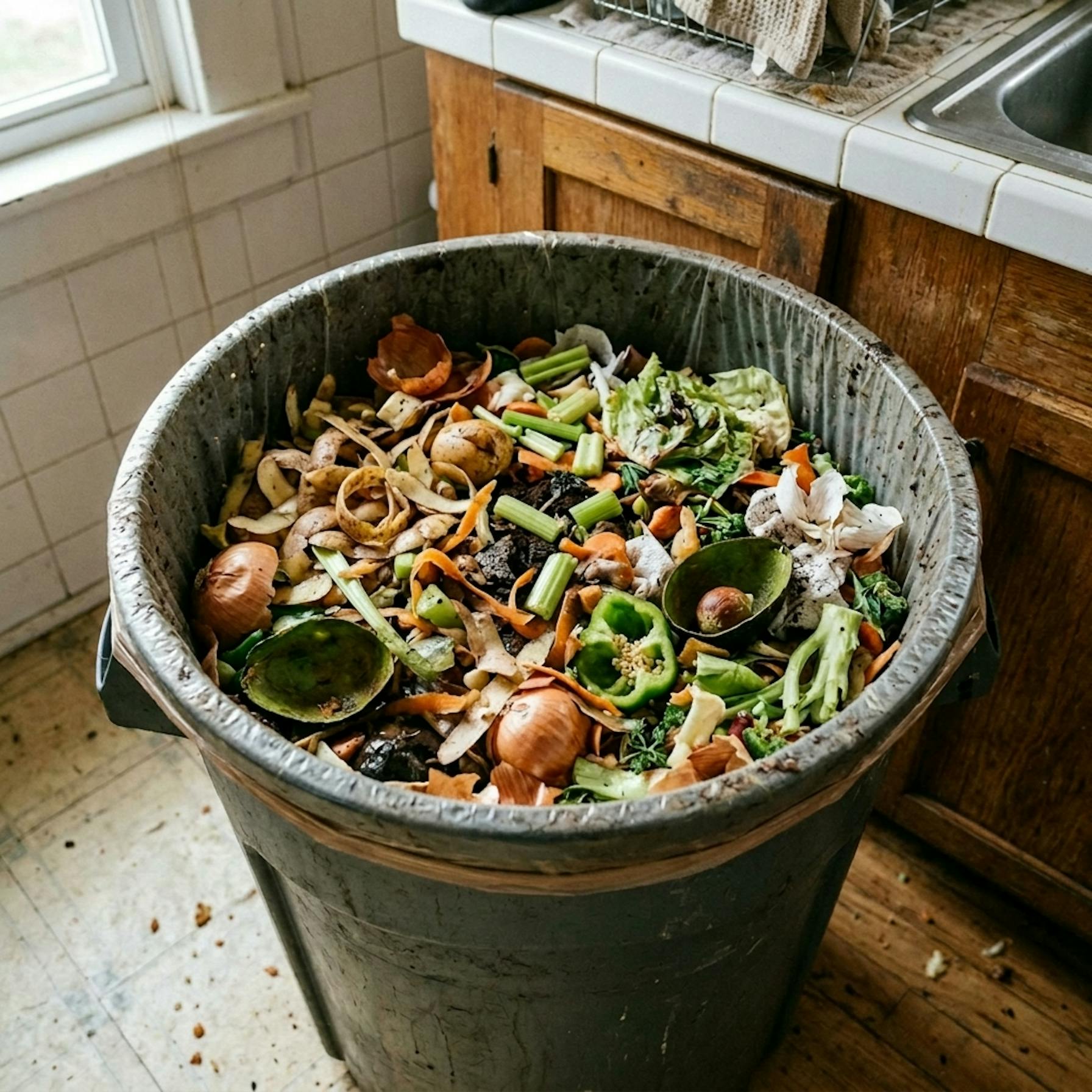
- Compost what you can’t eat: Even in no-waste cooking, some scraps can return to the soil.
Wrapping Up
No-waste cooking is about more than saving scraps — it’s about honoring the harvest, discovering new flavors, and building a more sustainable kitchen. Whether you turn carrot tops into pesto or roast potato peels into chips, every small change adds up.
We did feature a radish green pesto that is a wonderful intro into the world of no-waste cooking. Check it out here.
We’d love to hear from you: What vegetable parts do you already use? What scraps do you want help cooking with? Drop a comment or message — your questions shape what we share next.
Stay connected with us for more kitchen tips, seasonal updates, and growing inspiration: