 Broderick Adams
Meet the Onion: The Ancient & Versatile Kitchen Staple
Have you ever had a question that pops in your head for no reason and you can’t help but go down the rabbit hole? This week we dive into the fascinating history of the onion, its origins, and how it came to be a household staple. From ancient mummification rituals to fueling Olympic athletes, this humble bulb has a story that is as multi-layered as the vegetable itself.
A Deep-Rooted History

The true birthplace of the onion remains a bit of a mystery, but most archaeologists and botanists point to Central Asia, with others suggesting they were first grown in Iran and West Pakistan. What we do know is that our ancestors were eating wild onions long before farming—or even writing—was invented. Researchers agree that onions have been cultivated for over 5,000 years, making them one of the earliest crops in human history.
In Ancient Egypt, the onion was more than just food; it was an object of worship. The Egyptians saw eternal life in the anatomy of the onion because of its "circle-within-a-circle" structure. It was so revered that King Ramses IV was famously entombed with onions in his eye sockets, and they were frequently placed in the body cavities of mummies to represent immortality.
As the onion traveled through history, its reputation grew. The Greeks used them to fortify athletes for the Olympic Games—competitors would eat pounds of onions, drink the juice, and even rub them on their bodies to prepare for battle. By the Middle Ages, onions were so valuable they were used as currency to pay rent and were even given as wedding gifts.
Fun Facts About Onions
Nature’s Ninja: Onions are often called "Nature's Ninja" because they are incredibly hardy, sustainable, and have the unique ability to slay bacteria and bugs in the field before they even reach your table.
A Symbol of Eternity: Because of their concentric rings, ancient civilizations viewed onions as a symbol of the universe or the layers of eternal life.
The Olympic Fuel: Ancient Greek athletes believed onions lightened the balance of the blood and gave them a competitive edge in the arena.
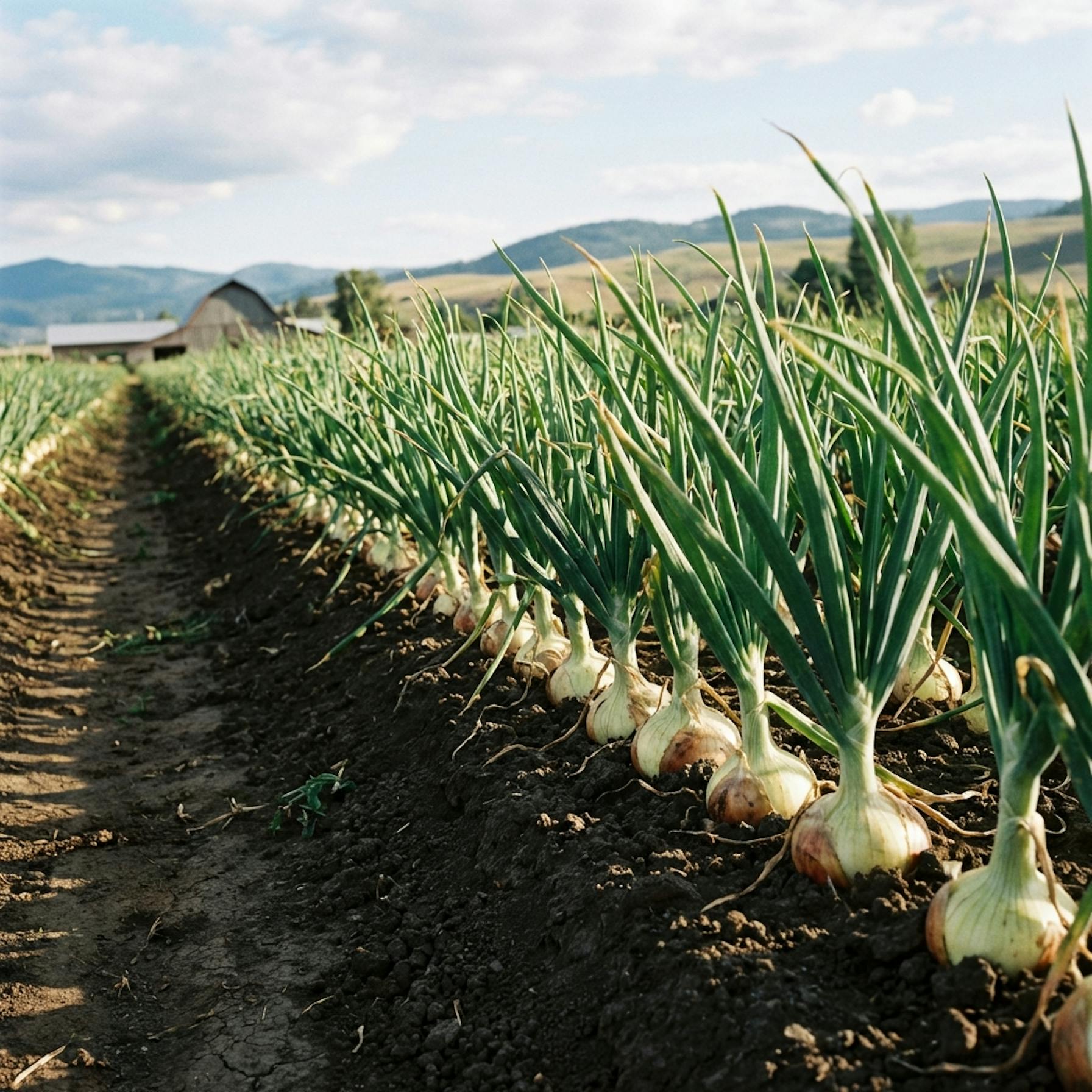
Not a Root Vegetable: Unlike potatoes or beets that grow entirely underground, nearly two-thirds of an onion bulb actually grows on top of the soil.
World Record Eaters: While onions are a global staple, Libya holds the record for the highest consumption, with the average person eating about 66 pounds of onions per year!
Nutritional Value
Beyond adding depth to almost every savory dish imaginable, onions pack a powerful nutritional punch. They are a "functional food," meaning they provide health benefits beyond basic nutrition:
Heart Health: High in quercetin, a flavonoid that acts as an anti-inflammatory and supports healthy blood pressure.
Immune Support: Packed with Vitamin C and phytochemicals that help ward off illness.
Bone Density: Studies suggest regular onion consumption may increase bone mineral density, potentially helping to prevent osteoporosis.
Antioxidant Powerhouse: Contains organosulfur compounds linked to lowering cholesterol and fighting oxidative stress.
Low Calorie, High Fiber: Naturally fat-free and a good source of dietary fiber, B6, and potassium.
Bonus Recipe: Easy Balsamic Caramelized Onions
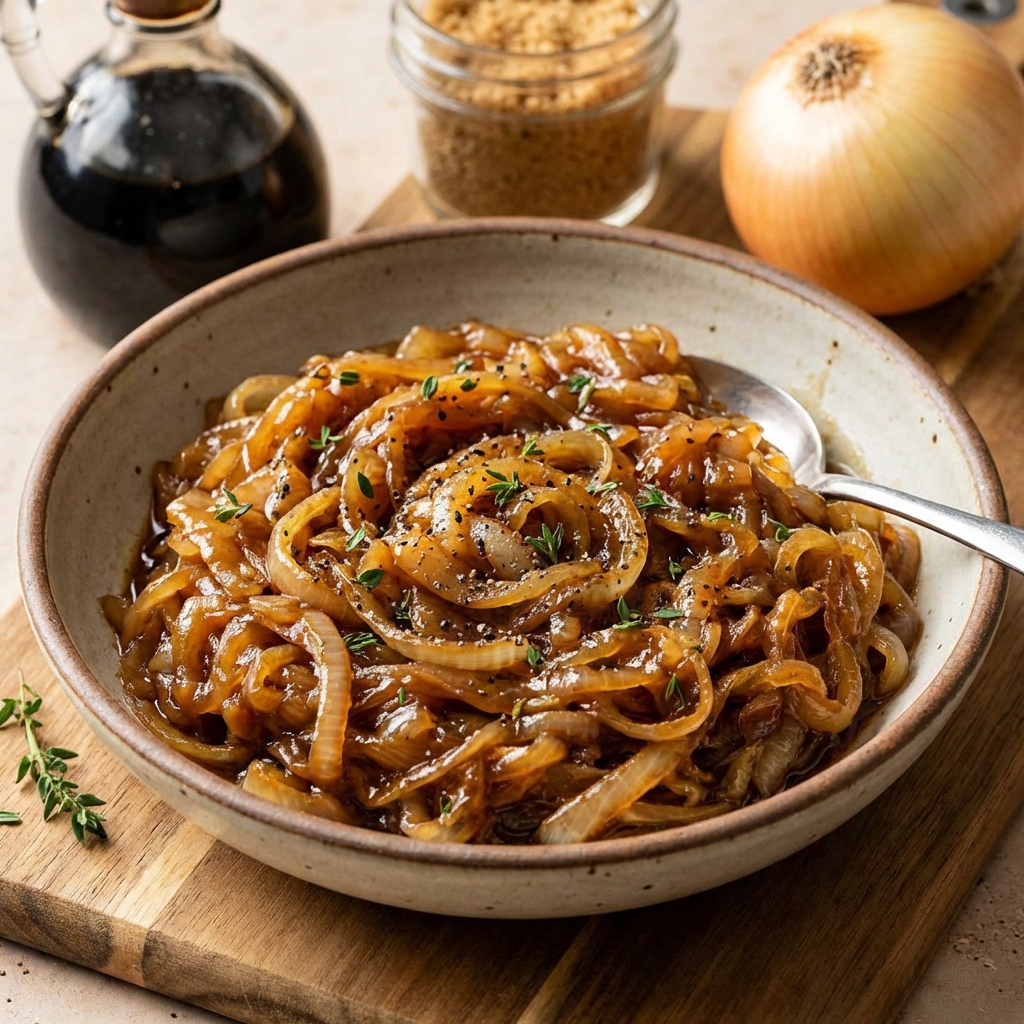
Caramelization transforms the pungent bite of a raw onion into a rich, jammy sweetness. This "kitchen gold" can be used on burgers, steaks, pizzas, or even stirred into pasta.
Ingredients:
2 large yellow onions, thinly sliced
2 tbsp olive oil or butter
1 tbsp balsamic vinegar
1 tsp brown sugar (optional, for extra richness)
Salt and black pepper to taste
Fresh thyme (optional)
Instructions:
Sauté: Heat the oil or butter in a large skillet over medium heat. Add the onion slices and toss to coat.
Low and Slow: Reduce the heat to medium-low. This is the secret! Cook the onions for 20–30 minutes, stirring every few minutes. You want them to turn a deep golden brown without burning.
Deglaze: Once the onions are soft and dark, add the balsamic vinegar and brown sugar. Stir well, scraping up any browned bits from the bottom of the pan.
Season: Cook for another 2–3 minutes until the vinegar has reduced to a glaze. Season with salt, pepper, and fresh thyme.
Serve: Use immediately or store in the fridge for up to a week. They only get better with time!
Stay Connected
Want more kitchen tips, vegetable spotlights, and updates from the garden?
Let us know—what "rabbit hole" vegetable should we feature in our next blog? We love hearing from our community!