 Broderick Adams
Welcome or Welcome Back to the Blog!
Welcome or welcome back to the blog! We love the feedback we get from our customers and enjoy sharing any tips we can. I pride myself on trying to deliver information in the blog as quickly as I can whenever we get a new request for a topic.
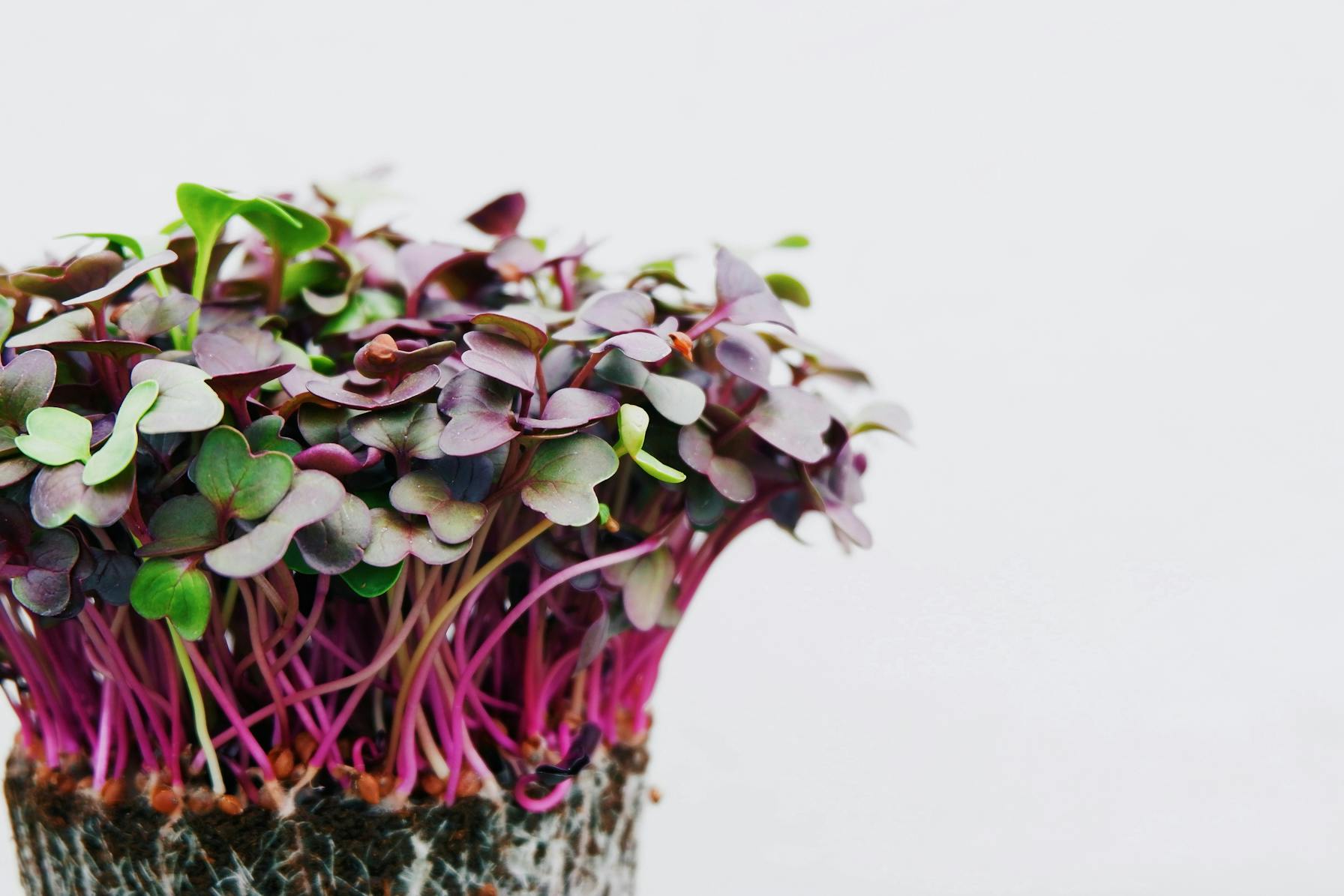
This week, we dive into the world of microgreens—the dense, nutrient-packed powerhouses that have changed the way we think about fresh food. From upscale restaurant garnishes to the ultimate backyard superfood, these baby plants have made a large impact on the health food space.
The Short History of Microgreens
While eating mature vegetables is older than agriculture itself, microgreens are a relatively new culinary phenomenon. They first made their debut on the upscale restaurant scene in San Francisco during the late 1980s. Back then, chefs used just a few varieties—like arugula, basil, and beets—mainly as a colorful, high-end garnish to make plates look beautiful.
By the early 2000s, microgreens transitioned from a fancy chef trend into the mainstream health world. Scientists began analyzing these tiny plants and discovered that they weren't just useful as a garnish; they were nutritional titans. Today, instead of just being tucked into the corner of a plate, microgreens are celebrated as a functional superfood grown in greenhouses and indoors worldwide.
Are Microgreens the Same as Sprouts?
Here's a fun bit of microgreen trivia: people often confuse sprouts and microgreens, but they are entirely different stages of a plant's life and utilize different methods of growing! Sprouts are simply germinated seeds grown in water without soil or light, harvested in 2 to 5 days. You eat the whole thing—seed, root, and stem.
Microgreens, however, are grown in soil or a growing medium and bathed in sunlight. They are harvested after 7 to 21 days, right when the first true leaves start to appear. You cut them at the soil line, eating only the nutrient-rich stem and leaves.
The Diversity We Grow
We grow a spectacular variety of microgreens right here. Whether you like a sweet crunch, a punch of spice, or something earthy, there is a microgreen for every palate:
- Sunflower: Rich, nutty, and incredibly crunchy. Tastes like a fresh sunflower seed.
- Spicy Radish: Sharp, peppery, and crisp. Tastes exactly like a mature radish with an extra kick.
- Broccoli: Mild, earthy, and clean with a classic brassica undertone.
- Kohlrabi: Mildly sweet and crisp, similar to a very sweet turnip or broccoli stem.
- Cantaloupe: Surprisingly sweet and refreshing with a distinct, unmistakable melon aroma.
- Lemon Balm: Bright, citrusy, and sweet with a strong herbal aroma.
- Cilantro: Intense, bright, and citrusy cilantro flavor without any bitterness.
- Basil: Warm, sweet, and intensely aromatic. A concentrated burst of classic basil.
- Fenugreek: Deeply savory with notes of maple syrup and curry.
- Sorrel: Strikingly tangy, sharp, and sour with a bright, lemony bite.
Microgreen Mixes
- Spicy Mix (Broccoli, Kale, Kohlrabi, Arugula, Red Cabbage, and Mustard): A bold, complex mix that starts earthy and finishes with a sharp, peppery punch.
- Mild Mix (Mizuna, Cabbage, Kale, and Kohlrabi): Gentle, crisp, and refreshing. The perfect "everyday" green.
- Silk Road Mix (Pac Choi, Mustard): A beautiful balance of sweet, juicy pac choi and a vibrant, warming mustard kick.
- Kalefetti (Mix of Red and Green Kale): Visually stunning and mildly sweet with a classic green flavor.
- Rainbow Sprinkles (Beets and Chard): Boasts gorgeous red and pink stems with a deeply earthy, spinach-like flavor.
Fun Facts About Microgreens
- 40x More Nutrients: A landmark USDA study found that microgreens can contain up to 40 times higher concentrations of vitamins and carotenoids than their mature counterparts.
- The Chef's Secret: They were originally called "vegetable confetti" when they first hit the California culinary scene in the 80s.
- Living Vitamins: Because they are harvested so young, you are eating the plant at its absolute peak biological energy.
- No Cooking Required: To preserve their delicate enzymes and heat-sensitive vitamins (like Vitamin C), they are best eaten raw, but they do make a wonderful addition to cooked recipes.
- Nature's Fast Food: They grow from seed to harvest in just a couple of weeks, making them one of the most efficient crops on earth.
- Snackable Solo: Many varieties, especially Sunflower, are so robust and flavorful that they make a fantastic standalone snack—no dressing required!
Nutritional Value
Beyond their refreshing crunch, these tiny greens pack impressive nutritional benefits. They are considered "functional foods," providing health benefits beyond basic nutrition:
- The Protein Powerhouses: If you are looking for a plant-based protein boost, look no further than Sunflower and Fenugreek. Sunflower microgreens are thick, juicy, and packed with high-quality plant protein and essential amino acids (which is why they make the perfect snack to eat completely by themselves!). Fenugreek is equally stellar, packed with protein and traditionally used to support metabolic health. Radish microgreens are an honorable mention, with an above-average amount of protein compared to most of the greens on this list.
- Antioxidant Power: Loaded with polyphenols and Vitamin C, which help combat oxidative stress and inflammation.
- Immune & Cellular Support: Cruciferous varieties like Broccoli, Kohlrabi, and our Spicy/Mild Mixes are rich in sulforaphane, a compound heavily studied for its potent cellular protection properties.
- Heart & Bone Health: A surprising source of Vitamin K, essential for bone density and blood clotting, alongside potassium for healthy blood pressure.
- Digestive Aid: Their tender, young fiber structures are incredibly easy on the gut, promoting healthy digestion and easy nutrient absorption. I would like to note another neat fact: some folks have a hard time eating raw beets due to the oxalic acid content, which can cause throat irritation. At the tender microgreen stage, the oxalic acid content is significantly lower (10x lower in many cases) than in the mature plant, which makes them more accessible. As a bonus tip, cooking mature beets is a way to dramatically decrease the oxalic acid content!
Bonus Recipe: The Ultimate Microgreen Power Salad
This easy recipe lets the microgreens be the star of the show rather than just a side garnish. It combines our high-protein sunflower greens with bright citrus and a simple vinaigrette.
Ingredients:
- 2 cups Sunflower Microgreens (as your hearty, protein-rich base)
- 1 cup Mild Mix or Kalefetti
- ½ cup fresh orange segments or sliced strawberries
- ¼ cup crumbled feta or goat cheese
- ¼ cup diced avocado
- For the Dressing: 2 tbsp olive oil, 1 tbsp fresh lemon juice, 1 tsp honey, a pinch of salt and pepper.
Instructions:
- Pack: Place your Sunflower microgreens and Mild Mix into a clean salad bowl.
- Top: Scatter the orange segments, diced avocado, and crumbled cheese over the top of the greens.
- Whisk: In a small bowl, whisk together the olive oil, lemon juice, honey, salt, and pepper until fully combined.
- Pour: Carefully pour the dressing over the microgreens right before serving.
- Chill & Enjoy: Toss gently so you don't bruise the delicate leaves. Enjoy immediately as a refreshing lunch or side dish!
Easy Ways to Incorporate
Microgreens are so much more than a garnish, and I hope this blog has helped you see how much value they bring nutritionally. Here are some other ways to incorporate them!
- Breakfast Burritos: Add them at the end raw for the most nutrient-dense option, or cook them into the eggs! Broccoli or Kalefetti works great for this, but don't let my opinion sway you. There are so many great combinations beyond those two, so I highly encourage you to experiment and find your favorite!
- Smoothies: Start the day with a boost. Incorporating a handful of greens is an easy way to boost the nutrition of your smoothies. Rainbow Sprinkles (Beet and Chard) contain compounds that have been shown to improve circulation, making them a great addition to your pre-workout routine.
- Salads: These make a great addition to any salad, not just the recipe we provided. They add color, texture, and depth to your salads.
- By the Handful: My personal favorite. No microgreen is safe from me when I open the fridge and see them there. I think my mom would agree there are worse things to be addicted to! The Mild Mix, Broccoli, Radish, Sunflower, and Kalefetti are my favorites for this. Cantaloupe microgreens are incredibly refreshing on a hot day as well—like a bite of summer.
- Sandwiches and Wraps: Add these instead of, or in addition to, lettuce on your sandwich. There are few things better than a sandwich that has a nice, fresh, crispy bite. I love the Spicy Mix for this because it has a strong mustard flavor that cuts through, but there are few of our offerings that you can go wrong with here.
- Herb Enhancement: Pretty sure I made that term up, but the herb microgreens are especially strong! They work just as you would use any other herb, but use them more sparingly for the same results, as the flavor is more concentrated than in the mature plant. Our current herb offerings are Basil, Cilantro, and Lemon Balm.
- Tacos, Nachos, Quesadillas: Cilantro comes to mind here, but don't let that discourage you from trying other combinations to see what fits! A nice lemony bite of Sorrel or a Radish microgreen could add a nice depth to these dishes.
Stay Connected
Want more kitchen tips, vegetable spotlights, and updates from the garden? Have another topic you'd like us to cover? Connect with us on social media! Our blog started with me ranting and raving about mushroom topics but has become more vibrant and versatile thanks to the suggestions from our wonderful community.