 Broderick Adams
Meet the Jalapeño
With its bright, grassy bite, snappy flesh, and just-enough heat, the jalapeño has earned a permanent spot in kitchens across the country. But behind this glossy green pod lies a fascinating story of Mexican heritage, plant breeding, and a heat level that has quietly changed over the last several decades. Let's dig in.
Growing Habits
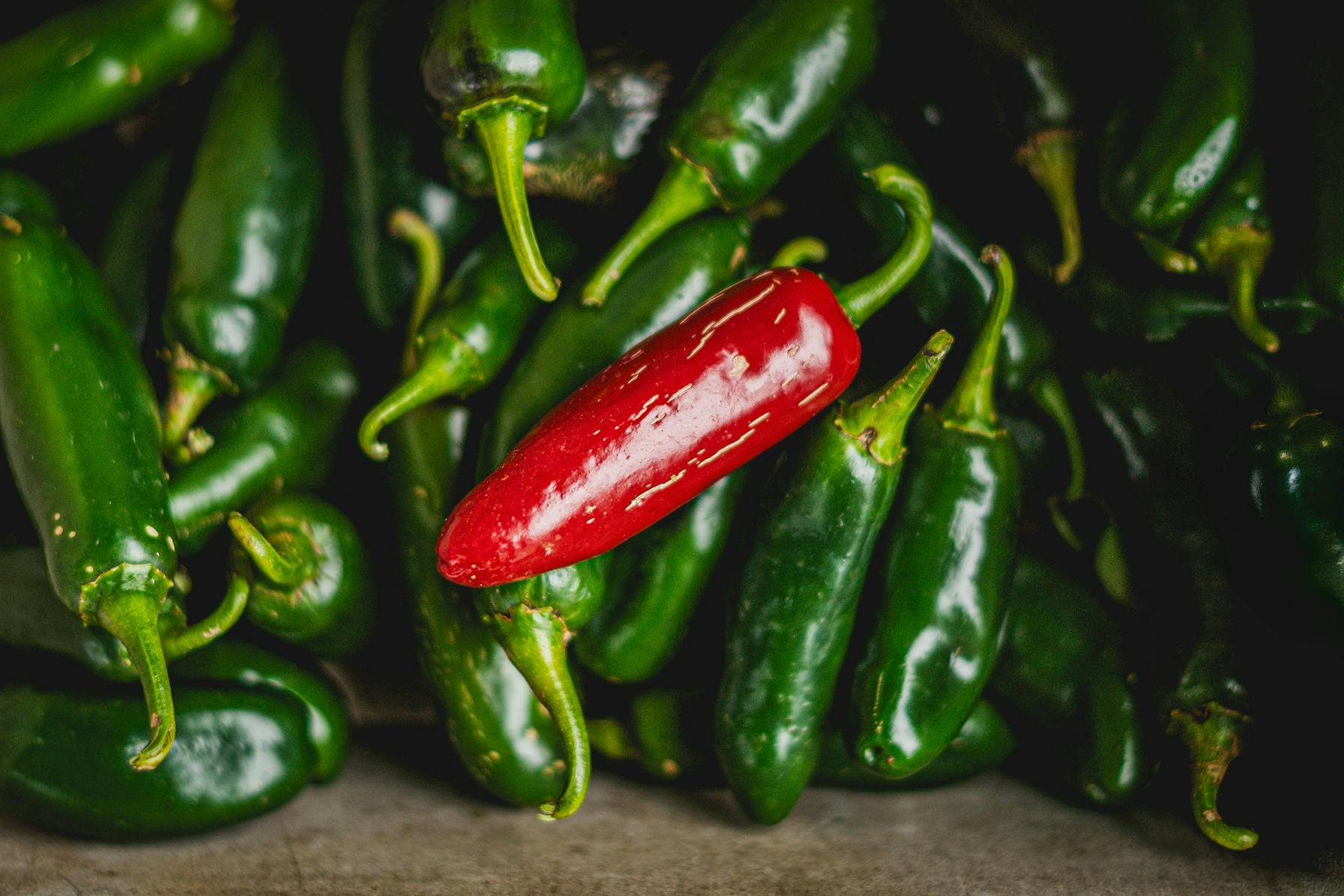
The jalapeño (Capsicum annuum) is a compact, thick-walled chile that typically measures two to four inches in length. It starts a deep glossy green and ripens to a brilliant red if left on the plant, growing sweeter and slightly hotter as it colors up. Plants generally reach two to three feet tall and set fruit heavily from midsummer straight through the first frost. You may notice fine white striations—called "corking"—on mature pods. In the United States corking is sometimes viewed as a blemish, but in Mexico it is often considered a mark of a fully developed, flavorful pepper.
Our plants have been absolutely prolific, so if you are looking for a pepper that produces all season long and can be used everywhere from breakfast to dinner, look no further!
A Little History
The jalapeño takes its name from Xalapa (also spelled Jalapa), the capital city of Veracruz, Mexico, where the peppers were historically grown and traded. Chiles in this family have been cultivated in Mesoamerica for thousands of years, long before they traveled the globe. Early growers also discovered that jalapeños left to ripen red and then slowly smoke-dried became something else entirely—the chipotle. That single pepper giving us both a crisp fresh chile and a deep smoky one is a big part of why it became so beloved.
The Heat Question: A Pepper Bred to Mellow
Here's where things get interesting. If you remember jalapeños being hotter when you were younger, you are not imagining it.
Traditional jalapeños typically register somewhere between 4,000 and 8,500 Scoville Heat Units. But beginning in the 1980s, plant breeders—most notably at Texas A&M—began deliberately selecting for milder fruit. The result was cultivars like the 'TAM Mild Jalapeño' and later 'TAM Mild Jalapeño II', which land closer to 1,000 to 3,500 SHU. Breeders have since pushed even further, producing nearly heatless varieties such as 'Fooled You' that carry classic jalapeño flavor with almost no burn at all.
Why Breed Out the Heat?
- Commercial processing: Salsa, pickle, and pepper-processing companies needed consistent, predictable heat batch after batch. Wild swings in spiciness are a nightmare for a recipe produced at scale.
- Mass-market appeal: As jalapeños moved into nachos, poppers, pizza, and grocery store salsas nationwide, milder fruit reached a much broader audience.
- Harvest and handling: Milder peppers are simply easier and more comfortable for workers to pick, seed, and process by hand.
- Yield and disease resistance: Heat reduction often came bundled with selections for bigger fruit, thicker walls, and better disease tolerance.
It's worth remembering that heat also varies plant to plant and even pod to pod. Capsaicin concentrates in the white pith surrounding the seeds, and stressed plants—hot weather, inconsistent water—tend to produce spicier fruit. Removing the seeds and membranes will always tame a pepper considerably, no matter the variety.
Born to Be Stuffed
Modern jalapeños are practically engineered for stuffing. The walls are thick and sturdy, the flesh holds its shape in a hot oven, and a halved pepper creates a perfect little boat for cheese. That combination is exactly why the jalapeño popper became an American classic—and why we keep coming back to it every summer.
Nutrition: Small Pepper, Big Benefits
Jalapeños aren't just delicious—they're genuinely good for you. A single pepper is very low in calories yet packed with nutrients, including:
- Vitamin C – supporting immune health and collagen production
- Vitamin A – great for vision and skin
- Vitamin B6 and folate – important for metabolism and cell function
- Vitamin K – supporting healthy blood and bones
- Capsaicin – the compound behind the heat, linked to anti-inflammatory and metabolism-boosting properties
- Fiber and antioxidants – supporting digestion and overall wellness
Preserving Your Jalapeño Harvest
When you've got more peppers than you can eat fresh, preservation keeps the flavor going year-round. Here are the best methods:
- Quick pickling: Sliced jalapeño rings in a simple vinegar brine are ready in a day and last for weeks in the fridge.
- Canning: Pickled rings, whole peppers, or candied "cowboy candy" jalapeños make excellent pantry staples.
- Freezing raw: Slice or dice and freeze on a sheet tray, then bag. No blanching needed—perfect for soups, chili, and stir-fries.
- Drying and smoking: Let pods ripen red, then smoke and dry them into homemade chipotles, or grind into a warm-toned chile powder.
- Fermenting: Jalapeños make a fantastic base for homemade hot sauce with nothing more than salt, water, and time.
Weeknight Ways to Use Jalapeños
Working jalapeños into your weekly cooking is easy. Try them:
- Diced into morning scrambles and breakfast burritos
- Stirred into cornbread, biscuits, or mac and cheese
- Chopped into salsas, chili, and pots of beans
- Blended into creamy jalapeño ranch or a green hot sauce
- Pickled and piled onto sandwiches, tacos, and pizza
- And, of course, stuffed and baked—our favorite use of all
Recipe: Oven-Baked Jalapeño Poppers
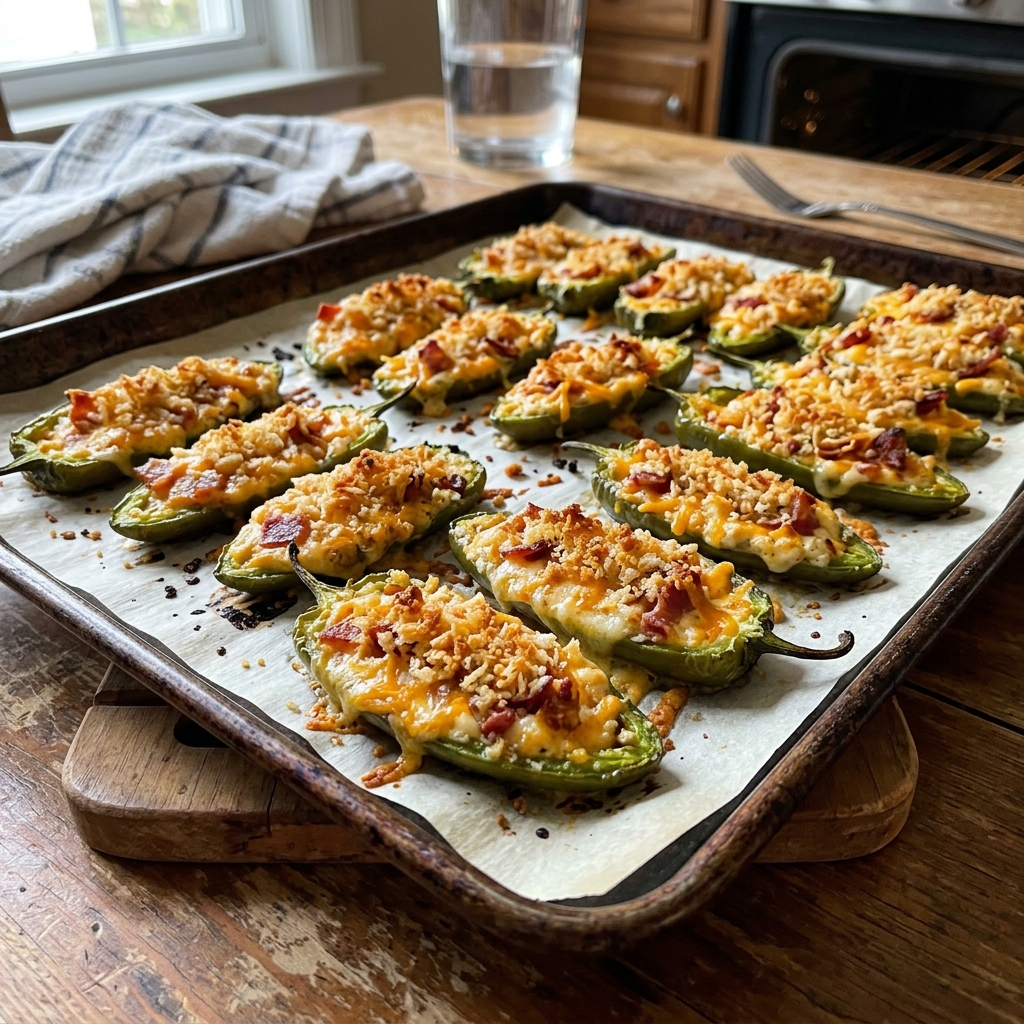
No deep fryer, no breading station, no mess—just a hot oven and a tray of bubbling, golden poppers. The filling comes together in one bowl, and a breadcrumb topping delivers all the crunch of the fried version. Make them with bacon bits or plant-based bacon bits; both are excellent.
Ingredients
- 10 to 12 medium jalapeños, halved lengthwise and seeded
- 1 standard 8 oz block cream cheese, softened to room temperature
- 1 cup shredded cheddar cheese
- 1/3 to 1/2 cup bacon bits or plant-based bacon bits
- 1 teaspoon garlic powder
- Light salt, to taste (the bacon bits and cheese bring plenty)
- Freshly ground black pepper, to taste
- 1/3 cup breadcrumbs (panko works beautifully)
- 1 tablespoon olive oil or melted butter, for the breadcrumbs (optional)
Instructions
- Preheat your oven to 400°F (205°C) and line a baking sheet with parchment paper.
- Slice each jalapeño in half lengthwise. Scrape out the seeds and white membranes with a small spoon—this is where most of the heat lives, so remove more for milder poppers and leave some behind if you like a kick.
- In a medium bowl, combine the softened cream cheese, shredded cheddar, bacon bits, and garlic powder. Season with a light hand of salt and a good crack of black pepper. Mix until fully blended.
- Spoon the filling generously into each jalapeño half, smoothing the tops.
- Toss the breadcrumbs with the olive oil or melted butter, if using, then sprinkle evenly over the filled peppers and press lightly so they stick.
- Arrange the poppers on the prepared baking sheet and bake for 15 to 20 minutes, until the breadcrumbs are a deep golden color, the cheese is bubbling, and the peppers have picked up a slight char at the edges.
- Let rest 5 minutes before serving—the filling is molten straight out of the oven.
A few tips: Wear gloves or wash your hands thoroughly after seeding, and keep your fingers away from your eyes. If your peppers won't sit flat, a mini muffin tin holds them upright perfectly. Want more char? Slide them under the broiler for the last 60 to 90 seconds and watch closely.
The Bottom Line
The jalapeño proves that a pepper can be both approachable and full of character. With deep roots in Veracruz, a heat level that breeders have thoughtfully dialed in over the decades, a solid dose of nutrition, and endless kitchen uses, it's a pepper worth growing, preserving, and cooking all season long. Whether you're stuffing them with cream cheese and cheddar or pickling jars of rings for the pantry, the jalapeño provides in the garden and in the kitchen.
Happy growing—and happy cooking.
Did you make this recipe? Curious about how to use another ingredient in your kitchen?
Connect with us on social media and let us know by tagging #emorymarketgardens OR reach out to us via: