 Broderick Adams
If you've spent any time growing squash here in East Texas, you already know the truth: the plants are easy, but the pests are relentless. Our long, humid growing season is a paradise for the trio of troublemakers that can take down a thriving squash patch seemingly overnight. The good news? With a little knowledge and some organic, hands-on strategies, you can stay one step ahead of them. Let's dig into the three biggest squash villains—and a few honorable mentions—along with natural ways to keep them in check.
1. Squash Vine Borers: The Silent Plant Killers
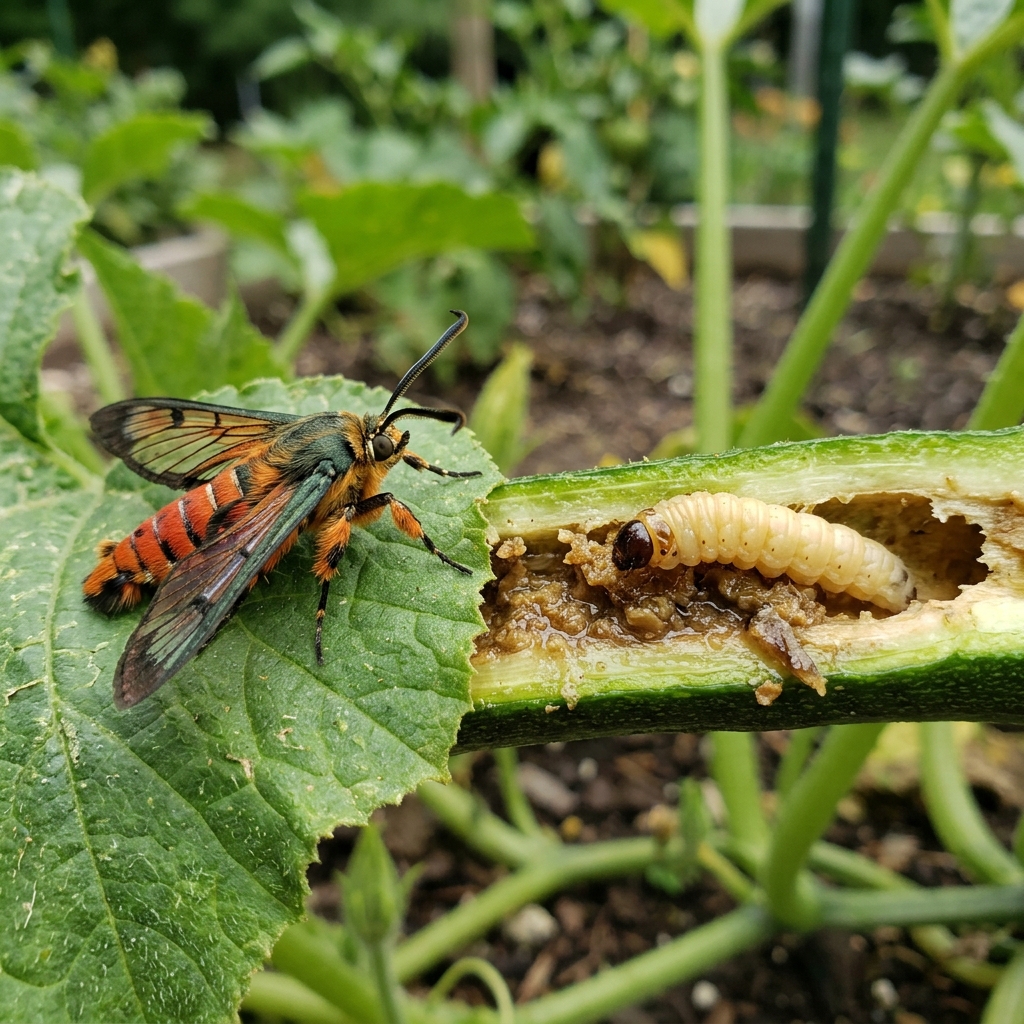
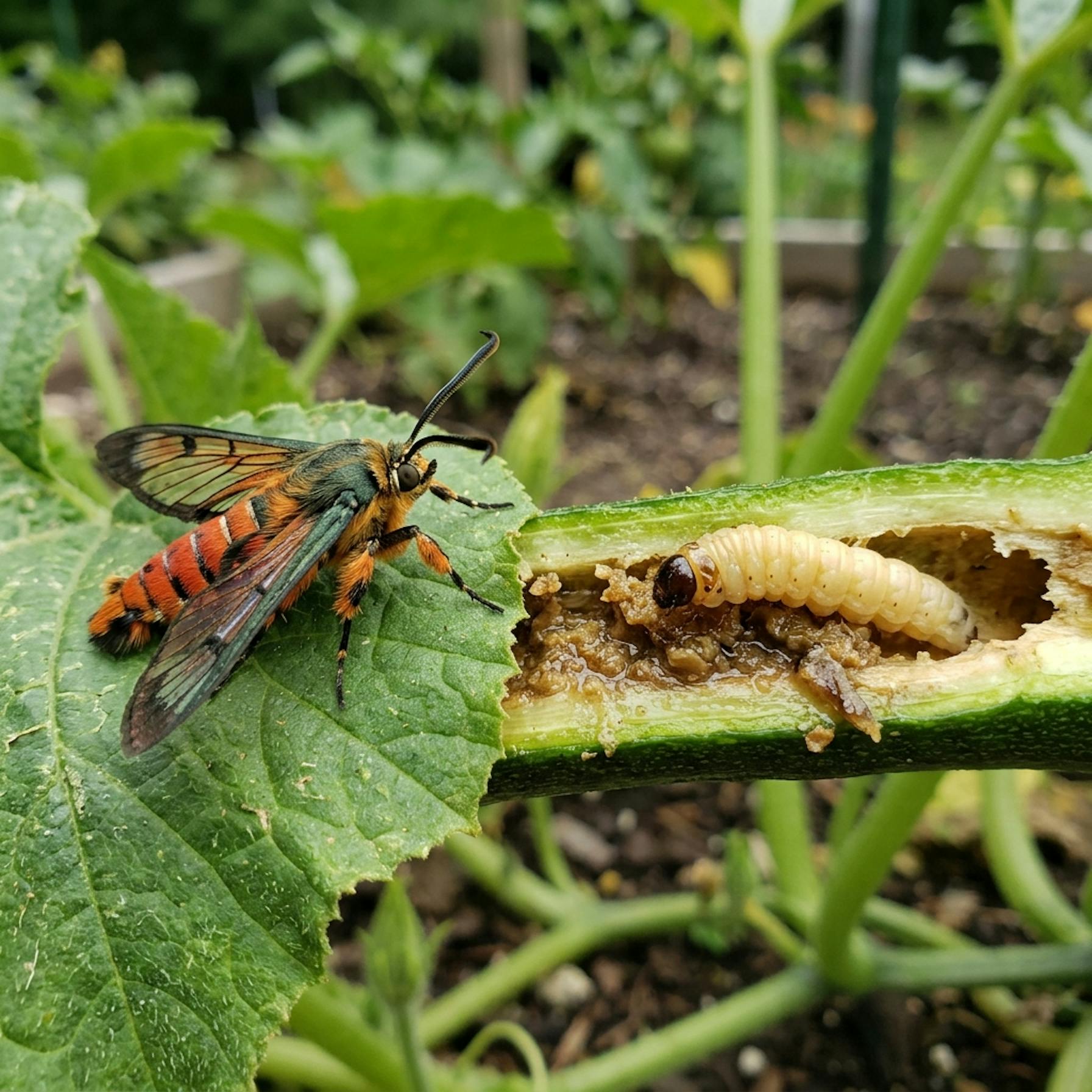
If you've ever watched a healthy, vigorous squash plant suddenly wilt and collapse for no apparent reason, you've likely met the squash vine borer (Melittia cucurbitae). These are arguably the most devastating squash pest in our region, precisely because they do their damage out of sight.
How to Identify Them
The adult is a striking, clearwing moth that looks almost like a wasp, with an orange-and-black body. It flies during the day, which is unusual for a moth. The real damage, however, comes from the larvae—fat, white, wrinkly grubs with brown heads that tunnel directly into the stem of your plant near the soil line.
Signs of Trouble
- Sudden wilting of the plant, especially during the heat of the day
- A sawdust-like residue (called frass) near the base of the stem
- Small holes at the base of the main stem
- Stems that feel soft, mushy, or hollow when squeezed
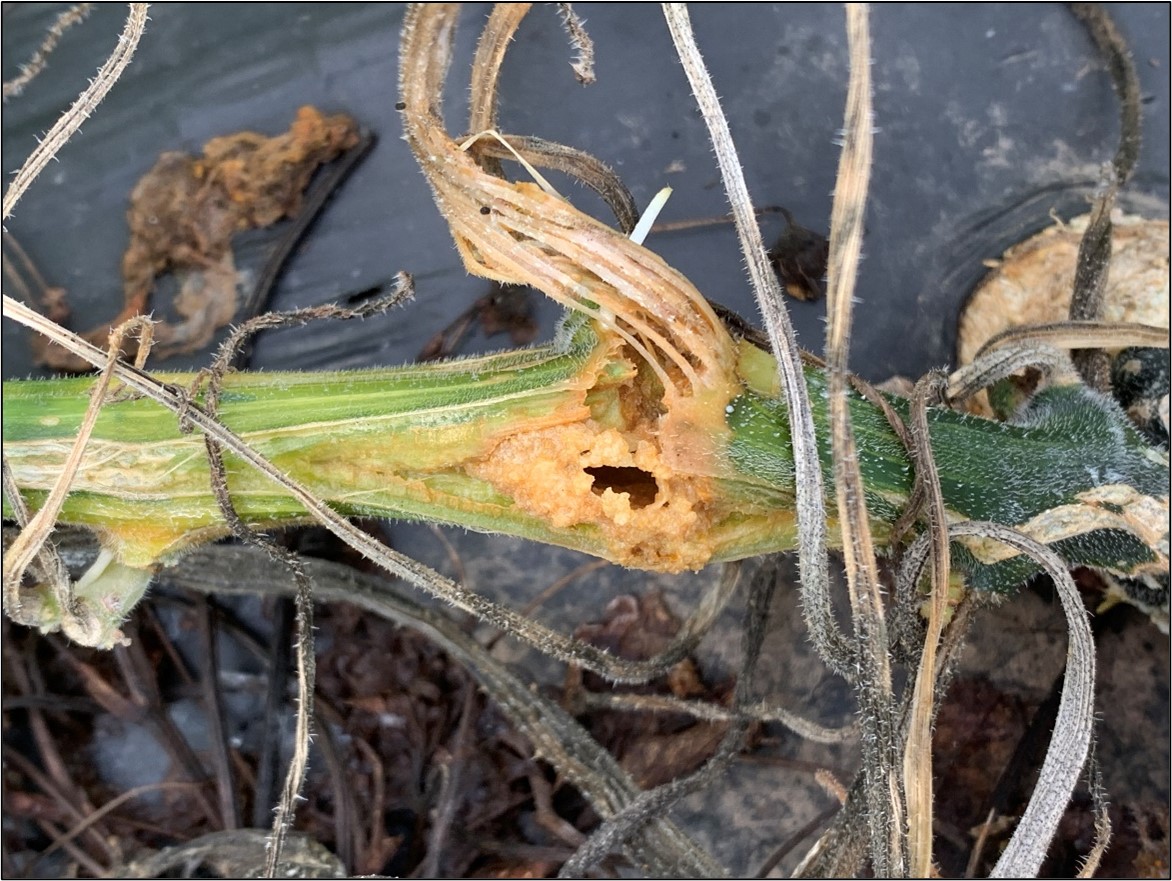 Example of frass on the base of a squash plant stem. Image courtesy of https://www.uaex.uada.edu/farm-ranch/crops-commercial-horticulture/horticulture/ar-fruit-veg-nut-update-blog/posts/managingsquashvineborer.aspx
Organic Control Strategies
- Time your planting: Borer moths are most active in late spring and early summer. Planting a second crop in mid-summer can help you dodge peak egg-laying season.
- Wrap the stems: Wrapping the lower stem with aluminum foil or strips of nylon can physically block moths from laying eggs at the base. This is not our preferred method but a method that other gardeners have share success with.
- Inspect and squish: Check the base of stems regularly for the small, flat, reddish-brown eggs and crush them before they hatch.
- Perform "surgery": If a borer has already entered, you can slit the stem lengthwise with a sharp knife, remove the grub, and bury the stem in moist soil to encourage new root growth.
- Use row covers: Floating row covers keep moths away entirely—just remember to remove them when plants flower so pollinators can do their work.
- Try Bt: Injecting Bacillus thuringiensis into the stem, or applying it at the base, can target larvae organically.
2. Squash Bugs: The Persistent Sap-Suckers
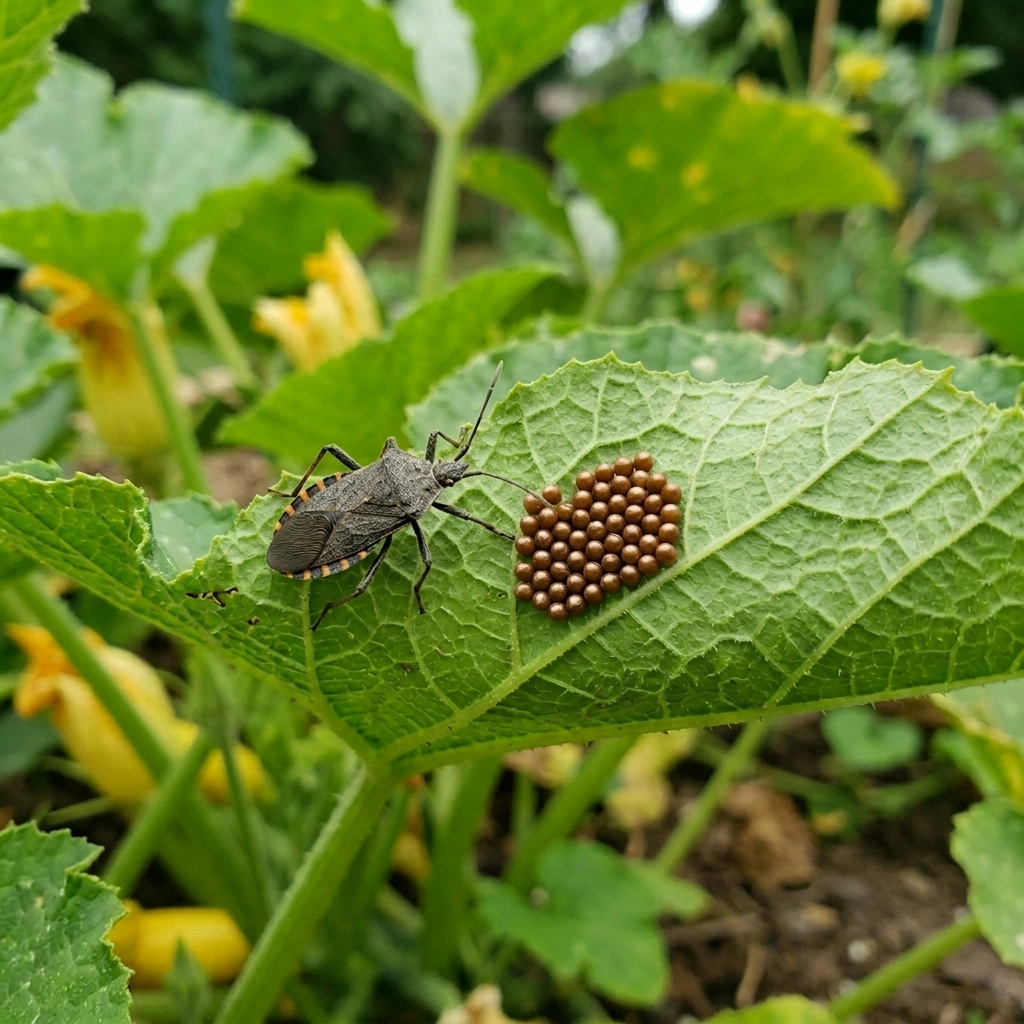
The squash bug (Anasa tristis) is the pest most East Texas gardeners love to hate. They're stubborn, they reproduce quickly, and a heavy infestation can drain the life right out of your plants. Unlike the borer's stealthy attack, squash bugs do their damage in plain sight—you just have to be paying attention.
How to Identify Them
Adults are flat-backed, shield-shaped insects about 5/8 inch long, in shades of dark gray to brown. The nymphs are perhaps easier to spot—they start out pale green with black legs and cluster together on the undersides of leaves. You'll also find their tell-tale clusters of bronze, football-shaped eggs neatly arranged along leaf veins.
Signs of Trouble
- Yellow or brown spots on leaves that eventually turn crispy and brown
- Wilting leaves, often mistaken for drought stress
- Clusters of copper-colored eggs on the undersides of leaves
- A foul odor when the bugs are crushed
Organic Control Strategies
- Hand-pick daily: The single most effective method. Knock adults and nymphs into a bucket of soapy water each morning. If you are dealing with a larger infestation in midsummer, consider a hand vacuum to remove larger quantities of them at a time and drop into your bucket of soapy water.
- Scrape the eggs: Use a piece of tape or a fingernail to remove egg clusters from leaves before they hatch. Check your squash at least every other day at the first signs of squash bugs if possible. If you keep up with this step, you will disrupt their population at peak season.
- Set board traps: Lay a board or shingle near your plants overnight. Squash bugs gather underneath it, making them easy to collect and dispatch in the morning. (To be fair, I have not tried this method but in my research I did see this recommend more than a few times.)
- Encourage beneficial insects: Tachinid flies are natural predators of squash bugs, so planting flowering herbs nearby helps attract them.
- Keep the garden tidy: Remove old vines, mulch, and debris at the end of the season to eliminate overwintering sites.
3. Spotted Cucumber Beetles: Small Bugs, Big Problems
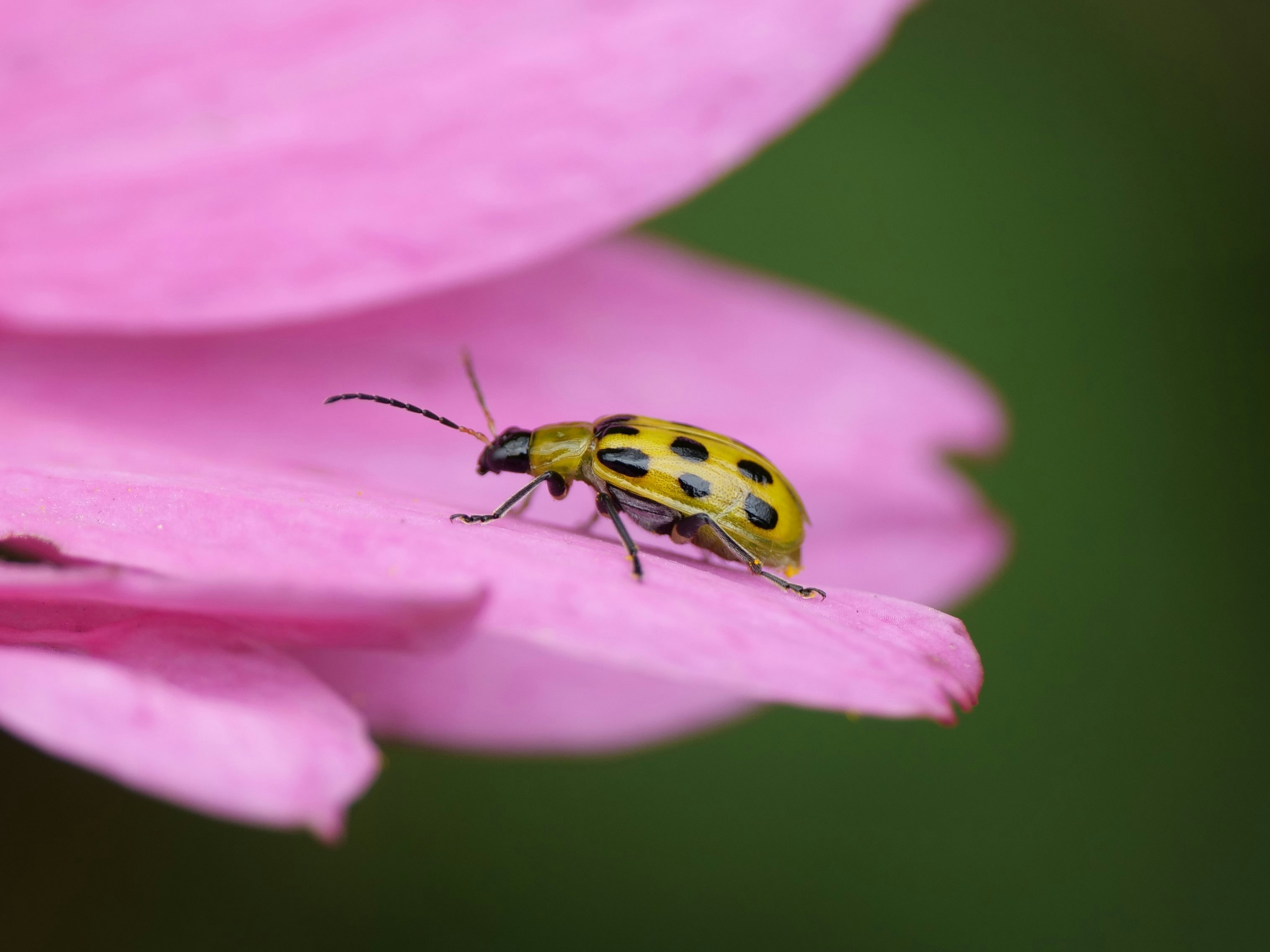
Don't let their tiny size fool you. The spotted cucumber beetle (Diabrotica undecimpunctata) is a double threat in the squash patch—it damages plants directly through feeding, and it spreads dangerous diseases as it goes.
How to Identify Them
These beetles are about a quarter-inch long, with bright greenish-yellow bodies and twelve distinctive black spots on their backs. They're quick and tend to fly off when disturbed. Their larvae live in the soil and feed on roots, while the adults attack leaves, flowers, and stems above ground.
Signs of Trouble
- Ragged holes chewed in leaves and flowers
- Scarring on stems and young fruit
- Stunted seedlings with damaged roots
- Wilting that signals bacterial wilt, a disease these beetles transmit
Why They're Extra Dangerous
The biggest threat from cucumber beetles isn't their chewing—it's that they carry and spread bacterial wilt and mosaic viruses. A plant can survive some leaf damage, but bacterial wilt is often a death sentence, causing vines to wilt and collapse with no cure available.
Organic Control Strategies
- Use yellow sticky traps: The beetles are drawn to the color yellow, making sticky traps an easy way to monitor and reduce their numbers.
- Cover young plants: Row covers protect vulnerable seedlings until they're established and ready to flower.
- Mulch heavily: A thick layer of straw mulch makes it harder for beetles to lay eggs at the soil line.
- Hand-pick in the morning: Beetles are sluggish in the cool morning hours, making them easier to catch.
- Plant trap crops: Beetles favor certain crops like blue hubbard squash, which can be planted around the perimeter to lure them away from your main harvest.
- Apply kaolin clay: A protective clay coating makes plants unappealing and difficult for beetles to feed on.
A Few Other Pests to Watch For
While the big three cause the most heartache, a handful of other pests can show up in an East Texas squash patch. Here's how to handle them organically:
- Aphids: These tiny sap-suckers cluster on new growth and the undersides of leaves. Blast them off with a strong spray of water, or apply insecticidal soap. Encouraging ladybugs and lacewings provides natural, ongoing control.
- Whiteflies: Often found fluttering up in clouds when you disturb a leaf, whiteflies can be managed with yellow sticky traps and insecticidal soap or neem oil applied to leaf undersides.
- Spider mites: Thriving in our hot, dry spells, these microscopic pests cause fine stippling on leaves. Keep plants well-watered and spray with neem oil or a strong stream of water to knock them back.
- Pickleworms: The larvae bore into developing fruit, leaving holes and frass. Row covers and timely planting are your best defenses, along with cleaning up infested fruit promptly.
The Bottom Line
Growing squash in East Texas means accepting that pests are simply part of the game—but they don't have to win. The key is vigilance: walk your garden daily, flip those leaves over, and act early before small problems become full-blown infestations. By combining row covers, hand-picking, beneficial insects, and a few well-timed organic treatments, you can keep your squash plants productive all season long without reaching for harsh chemicals.
Healthy soil, healthy plants, and a watchful eye are your best tools in the garden.
Battling a pest we didn't cover? Have a favorite organic trick that works in your garden?
Connect with us on social media and let us know by tagging #emorymarketgardens OR reach out to us via: